Small Hands, Big Ideas

Today we explore kid-friendly upcycling crafts using folds, knots, and tape, turning cereal boxes, fabric scraps, bottles, and magazines into playful inventions. Expect step-by-step ideas, safety notes, and joyful anecdotes that nurture creativity, resilience, and eco-awareness while keeping setup simple, affordable, and wonderfully hands-on.

Safe, Clean, Ready-to-Use Materials

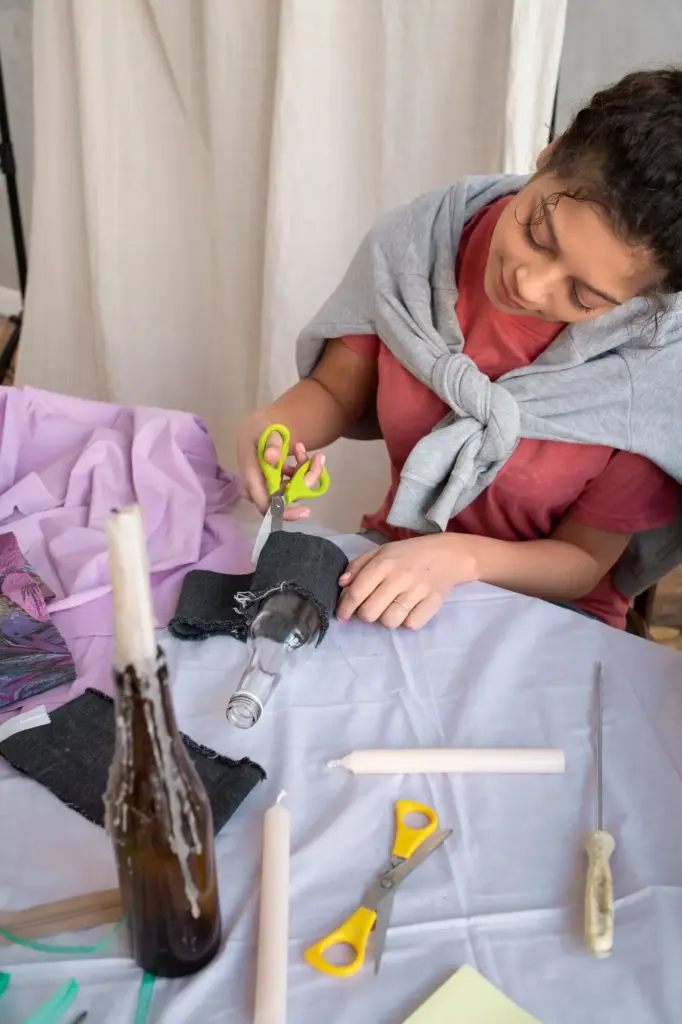
Rinse containers, let them dry completely, then trim sharp edges or remove metal rings. Encourage kids to touch surfaces, naming textures and noticing smells, which teaches sensory awareness and safety. Keep a small bin for questionable items that only adults review carefully.

Choosing Tape That Plays Nicely

Masking tape and washi tape tear easily by hand, stick well to paper and cardboard, and peel without tears. Painter’s tape guards tables and walls during experiments. Save super-strong packing tape for adult reinforcement, and avoid duct tape with very young makers due to residue.

Folds That Spark Imagination

Cereal-Box Origami

Cut a cereal box into squares, lightly score fold lines with a blunt butter knife, and guide gentle creases. The stiffer card strengthens boats, boxes, and corner bookmarks that actually hold. Kids feel engineering pride when recycled structures stand, stack, and survive enthusiastic play.

Accordion Books for Pocket Stories

Fold long magazine pages or packaging strips back and forth to create an expandable booklet. Tape on covers from postcard offcuts, add a yarn tie, and invite stories or observation sketches. Each page flip becomes a reveal, encouraging narrative sequencing and confident self-expression.

Paper Planes with Reused Pages

Print misfires and homework backs fly again. Compare dart, glider, and stunt folds, marking centers with tape tabs. Test outdoors, measure distance steps, and tweak wing angles. Document designs with drawn symbols so kids can replicate improvements and celebrate incremental progress with pride.

Knots That Build Confidence

Tying loops and simple knots turns scraps into wearables, decorations, and hanging organizers. The motions build bilateral coordination and persistence. We practice slowly, chant memorable rhythms, and celebrate each secure tie, transforming spills of string into purposeful connections that kids can reproduce independently.

Friendship Loops with T-Shirt Yarn

Cut old shirts into long loops by spiraling around the body, then stretch to curl edges. Kids finger-knit chains, add washi-tape beads, or tie square knots for patterns. The softness invites focus, and gifting bracelets teaches generosity, gratitude, and joyful reciprocity among friends.

Beginner Knots for Little Explorers

Start with the overhand knot, then lark’s head for hanging, and the square knot for joining ends. Big shoelaces or rope cutoffs make steps visible. Create silly chants, like bunny-ear crossings, so memory sticks. Practice sessions end with victory dances and delighted high-fives.

Hanging Gardens from Bottles and Cord

Punch bottle sides with a heated adult tool or sturdy awl, then thread cords using lark’s head and square knots. Fill with herbs or succulents, decorate with tape banners, and hang in bright windows. Kids water responsibly, witnessing growth that reinforces daily care routines.

Tape as Color, Texture, and Structure

Beyond sticking things together, tape becomes color, pattern, hinge, gasket, and even measurement line. Kids learn restraint and strength by layering carefully. We compare adhesive feel, test peel-ability on different surfaces, and design with strips like decals, mosaics, and scaffolding that add vivid personality.
Tear washi into tiles, arrange like quilts on scrap cardboard, and fill gaps with marker stitches. Invite kids to balance repeated colors and unexpected contrasts. Patchwork boards become backgrounds for photos, puppet stages, or door signs, proving design depth thrives on small, joyful choices.
Fold tape on itself to create durable tabs, or run a strip along two edges to act like a hinge. Suddenly, boxes open smoothly, puppet mouths chatter, and notebook covers flip. Kids experience mechanical advantage through playful, tangible trial and error.
Build temporary roads on floors, label with arrows, and test paper cars or bottle-cap rollers. Lift and redirect paths to explore cause and effect without residue. Invent cooperative games, timing laps and recording improvements, weaving movement, counting, and collaboration into everyday living spaces.

Mailbox for Pretend Play

Cut a slot in a small box, tape on a flag, and decorate with bold tape stripes. Children write notes, sort junk mail, and design stamps from cardboard triangles. Communication becomes a game, boosting early literacy and kindness as siblings trade cheerful surprises.

Cardboard Creatures with Jointed Limbs

Trace shapes on packaging, punch holes for brads or yarn ties, and connect arms with masking-tape hinges. Add washi scales, bottle-cap eyes, and scrap-fabric manes. Pose characters for stop-motion videos, practicing storytelling beats, patience, and incremental improvements between quick, satisfying scenes.

Learning Goals Hidden in the Fun

While little makers play, powerful learning unfolds. Grips strengthen, planning blossoms, and flexible thinking grows. We name skills openly so kids see their progress, connect effort to results, and embrace experimentation as brave curiosity, not perfectionism. Each craft becomes a memory, habit, and stepping-stone.

Fine Motor Skills and Bilateral Coordination

Peeling tape, pinching folds, and holding tension for knots require both hands to cooperate. These actions train wrists and fingers for writing, tying shoes, and instrument practice. Slow repetition with success cues builds confidence that spills over into chores, homework, and friendships.

Eco-Literacy and Storytelling

Sorting packaging by material turns abstract sustainability into personal responsibility. Kids narrate an object’s second life, imagining journeys from box to puppet or plant pot. Stories make values memorable, encouraging thoughtful consumption decisions and sparking family rituals like monthly repair days and swap boxes.

Share, Celebrate, and Keep Creating

Invite Your Family Crew

Ask grandparents to save clean jars, friends to collect colorful flyers, and siblings to test builds. Host micro-workshops after meals, assigning playful roles like materials manager or safety scout. Making together strengthens bonds while modeling collaboration, patience, celebration, and curious problem-solving.

Show-and-Tell Challenges and Badges

Ask grandparents to save clean jars, friends to collect colorful flyers, and siblings to test builds. Host micro-workshops after meals, assigning playful roles like materials manager or safety scout. Making together strengthens bonds while modeling collaboration, patience, celebration, and curious problem-solving.

Subscribe for Fresh Ideas and Printables

Ask grandparents to save clean jars, friends to collect colorful flyers, and siblings to test builds. Host micro-workshops after meals, assigning playful roles like materials manager or safety scout. Making together strengthens bonds while modeling collaboration, patience, celebration, and curious problem-solving.

Zerofatatanamaleta
Privacy Overview

This website uses cookies so that we can provide you with the best user experience possible. Cookie information is stored in your browser and performs functions such as recognising you when you return to our website and helping our team to understand which sections of the website you find most interesting and useful.