
Glue, Tie, Transform: Reinvent Your Wardrobe Without Sewing
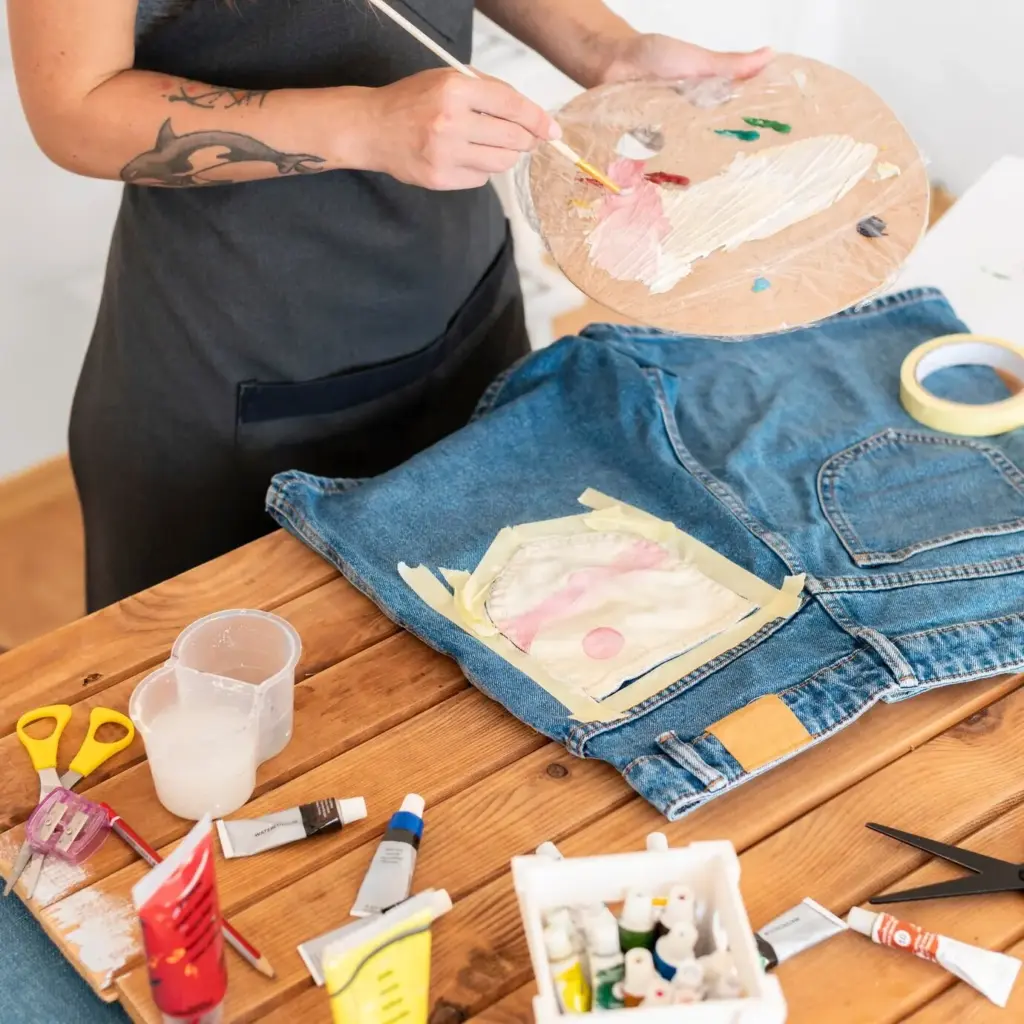
Start Smart: Materials, Fabrics, and Adhesive Basics
Signature Techniques You’ll Use Again and Again
Clean Hems Without a Needle
Mark your new length, then fold and press a crisp crease before gluing. Run a minimal bead just inside the raw edge, spread thinly, and fold under once or twice depending on thickness. Secure with clips or low-tack tape so the fold stays uniform while curing. For curves, make tiny relief folds as you go. Warm, dry air accelerates setting but avoid scorching. The result is a smooth edge that resists fray, moves naturally, and reads as intentionally tailored.
No-Sew Seams and Panels
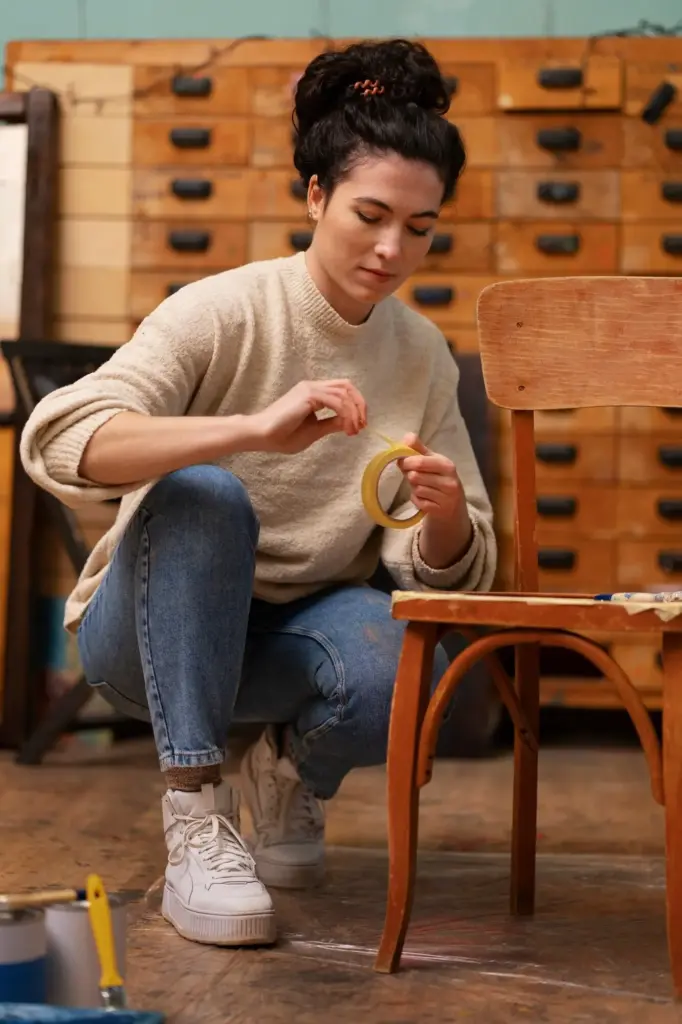
When joining panels, decide on finish: a flat overlap mimics a flat-felled look, while a butt seam backed by a narrow ribbon keeps volume low. Use painter’s tape to establish straight lines, apply adhesive sparingly, and remove the tape before full cure to prevent tearing. Press with parchment and a cool iron if compatible. Reinforce stress points—pocket corners, side splits—with discreet patches. The payoff is a clean silhouette that holds structure through everyday wear without the bulk of stitched allowances.
Tie-Based Shaping and Gathering
Ties are sculptors. Thread a cord through small, reinforced slits to create a drawstring waist, or stitch-free casing using glued ribbon tunnels. For ruching, anchor two small loops, lace a tie between, and cinch gradually, distributing gathers with your fingers. A double knot secures adjustments, while decorative bows become intentional focal points. Convert boxy tees into draped tops, fine-tune sleeves, or hike hemlines asymmetrically for movement. Whenever possible, hide ends inside small glued tabs to keep everything neat and comfortable.
Five-Minute Upgrades for Real-Life Wardrobe Wins

Instant Crop and Finish
Dress Rescue with Waist Cinch
Sneaky Collar Fix and Embellish
Make It Last: Curing, Washing, and Wear
Cure Time Myths and Truths
Washing Without Worries
Repairs and Iterations
Design with Personality: Shape, Color, and Balance
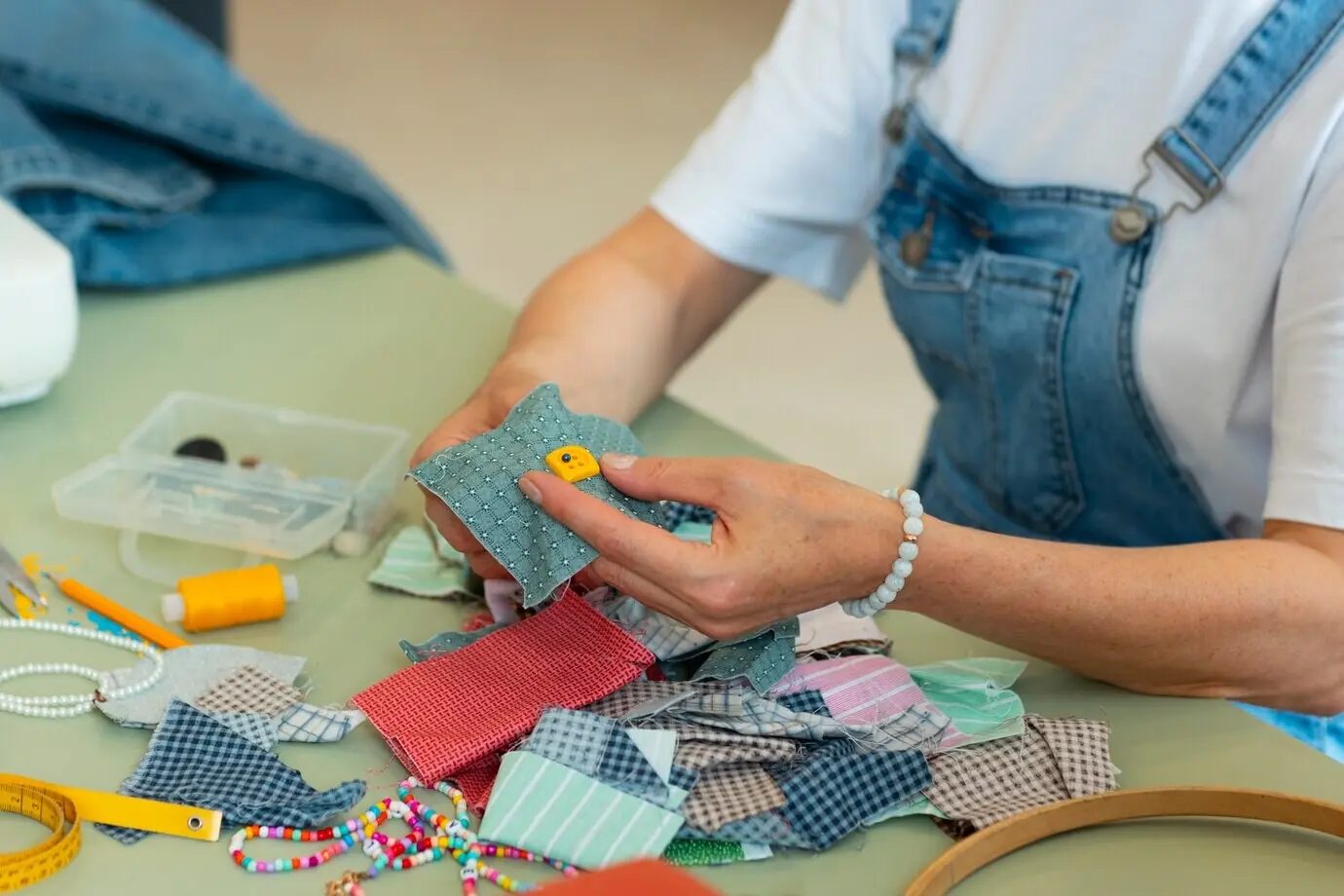
Create Silhouettes with Strategic Ties
Color Blocking and Trim Without Stitching
From Inspiration to Plan
Share, Learn, and Troubleshoot Together
Common Mistakes and How to Fix Them
Sourcing Sustainably
Join the Conversation
All Rights Reserved.